

Commercial Kitchen Exhaust Systems Maryland
Commercial kitchen exhaust systems in Maryland are required in every food service facility. Without a properly designed system, your restaurant risks delays, smoke issues, or even failure during a kitchen fire.
Why Hire an Experienced Contractor
In Maryland counties such as Howard, Prince George’s, Baltimore, Harford and Anne Arundel, the rules are strict. Choosing a skilled design/build contractor ensures your exhaust hood systems meets all codes and works as intended.
A trusted contractor will deliver a system tailored to your budget and needs. Systems can be as simple as a Type II hood for a bakery oven, or as complex as a dual system for standard cooking and wood- or coal-burning equipment.
How Exhaust Hood Design Starts
The design process begins with your menu and the cooking equipment you plan to use.
First, contractors calculate the hood size to cover the cooking surfaces. Next, they determine the ventilation rate to provide enough capacity.
In addition, the design must align with your HVAC system. Proper integration balances air flow and keeps your restaurant comfortable.
Key Factors in Commercial Kitchen Exhaust Systems in Maryland
- Compliance with NFPA 96
When designing commercial kitchen exhaust systems in Maryland, contractors must consider both NFPA standards and local building codes. Your system must follow the National Fire Protection Association’s Standard 96. These rules cover ventilation and fire protection for commercial kitchens. NFPA 96 Code Standards - Local Building Codes
Each county enforces codes for installation, materials, and performance. An experienced contractor helps you navigate approvals and inspections. - Permits and Inspections
Exhaust system design plays a role in securing permits. After installation, inspectors confirm compliance through follow-up checks. - Hood Type and Sizing
The food and equipment you use to determine the hood type. For example, Type I hoods handle grease vapors, while Type II hoods remove heat and moisture. - Ventilation Rate and Balance
Proper ventilation is essential for restaurant safety, which is why Maryland regulations require commercial kitchen exhaust systems to be designed by qualified experts. Designers calculate the exhaust rate in cubic feet per minute (CFM). They also balance it with conditioned air from the HVAC system to ensure comfort and efficiency. - Grease Filters
Approved grease filters are required. They must be cleaned regularly for safety and performance. Click here for more about grease traps. - Fire Suppression
Type I hoods need a fire suppression system, such as an Ansul system. This automatic system shuts off appliances and starts an exhaust sequence to contain smoke. - Ductwork and Exhaust Fans
Ductwork must meet fire-rating requirements and proper clearances. Exhaust fans should be strong enough to remove smoke, grease, and odors effectively. - Makeup Air
Exhaust systems must provide replacement air. This step is vital for indoor air quality and system performance. - Health Department Regulations
County health departments require certifications such as Underwriters Laboratories (UL) and National Sanitation Foundation (NSF). Before you receive a food service license, they test the system’s ability to contain smoke during a fire.
Work with a Proven Team
Northstar Commercial Construction has over 20 years of experience designing and building commercial kitchen exhaust systems in Maryland.
Contact us for a no-cost consultation for your project in Anne Arundel, Baltimore, Howard, Harford, Prince George’s, or Charles County. Contact
What We Do, with over 20 years of experience under our belt.
Baltimore Commercial Retail Remodeling for Existing Stores
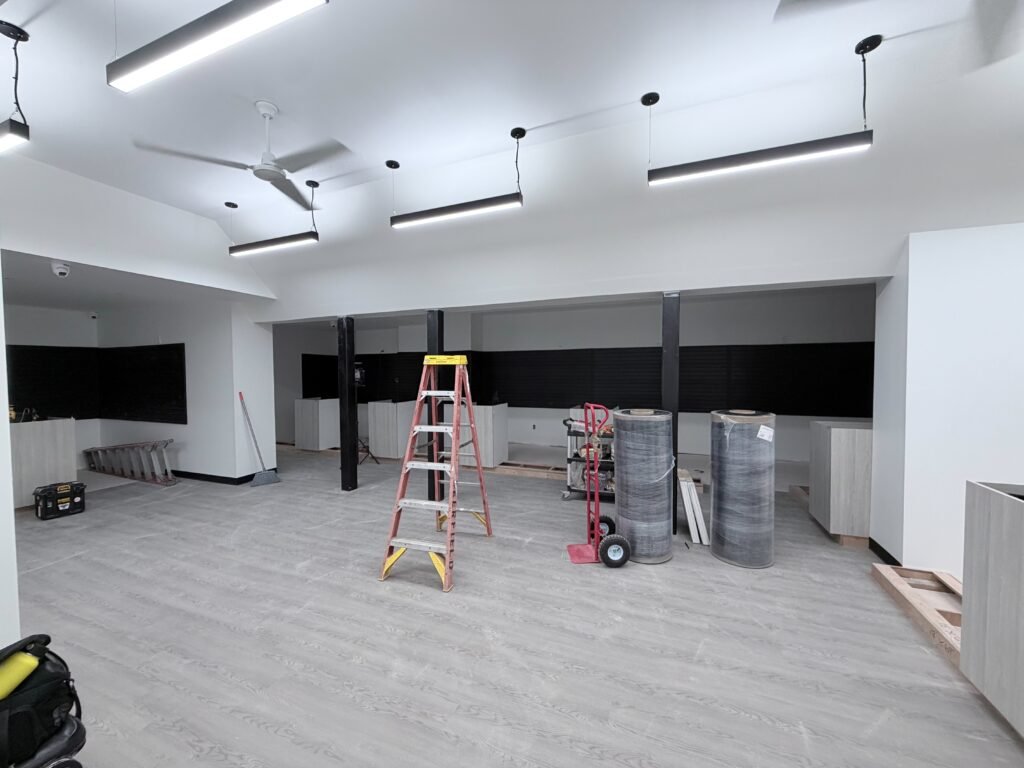
Retail Remodeling Built Around Baltimore’s Existing Buildings Remodeling a retail space in Baltimore often means working within the limitations of an existing building rather than starting with a blank slate. Existing electrical, plumbing, HVAC, structural conditions, storefronts, ceilings, floor slabs, and previous renovations can all influence what is practical and what a project will ultimately…
Store Buildouts
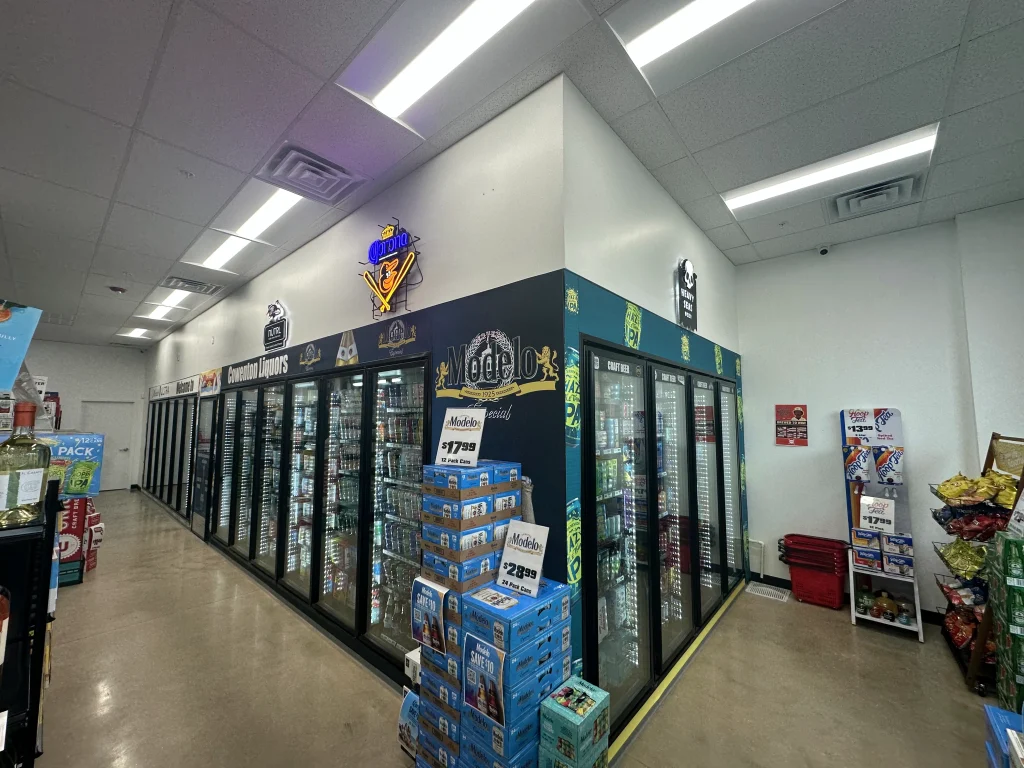
Whether you’re opening your first location or expanding into a new market, a successful retail buildout requires careful planning, coordination, and execution. Northstar Commercial Construction helps retailers transform vacant shell spaces, white-box suites, and undeveloped tenant spaces into functional retail environments designed around customer experience, operational efficiency, and brand identity. Our team works closely with…
Renovations and Remodeling
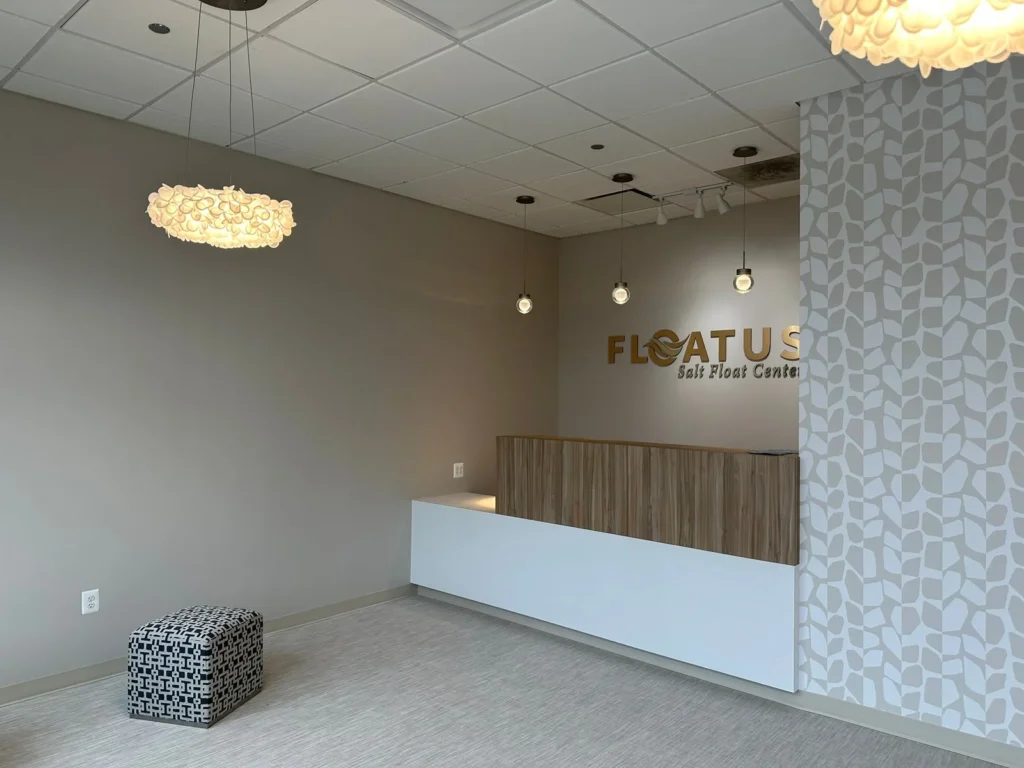
As customer expectations evolve, many retailers find that updating an existing space is essential to maintaining a competitive advantage. Retail renovations can improve customer experience, support operational changes, accommodate new product offerings, and reinforce brand identity without requiring a complete relocation. Northstar Commercial Construction partners with retailers to renovate and modernize existing stores while minimizing…
Franchise Construction
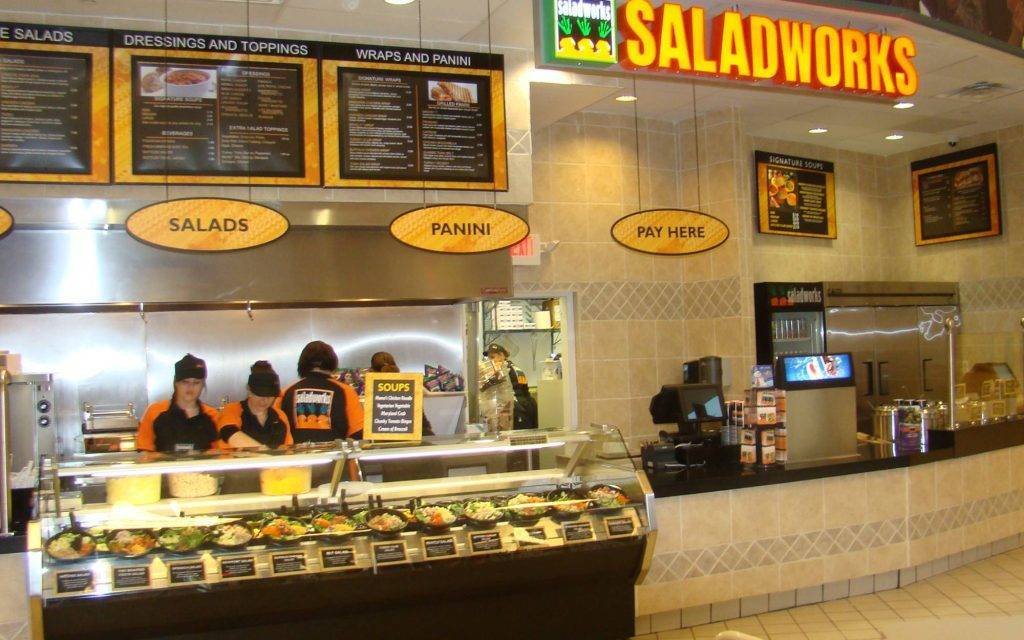
Franchise construction projects require more than traditional construction expertise. They demand strict adherence to established brand standards, prototype designs, corporate specifications, and opening schedules that are often coordinated across multiple stakeholders. Northstar works with franchise operators, developers, architects, and corporate representatives to execute retail construction projects that align with brand requirements while maintaining efficiency throughout…
Tenant Improvements
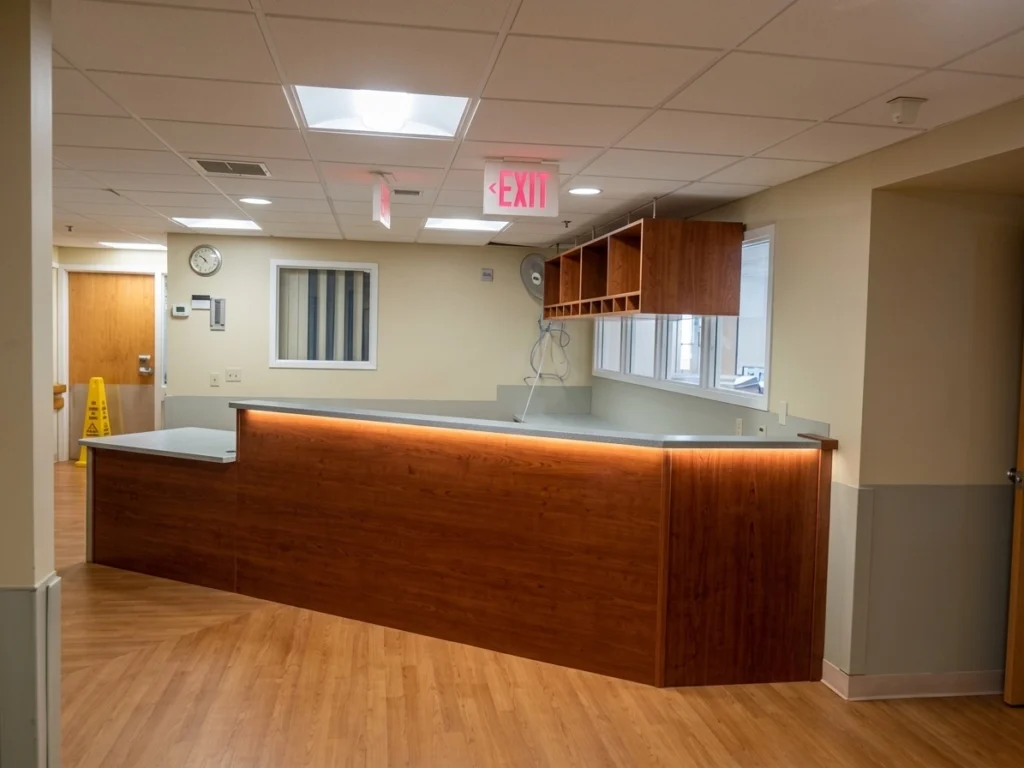
Many retail projects begin with a tenant improvement scope that transforms a leased commercial space into a fully operational retail environment. These projects often require balancing landlord requirements, lease obligations, permitting requirements, and tenant-specific operational needs. Northstar assists retailers through every phase of the tenant improvement process, helping clients understand construction requirements while maintaining alignment…
Occupied Renovation
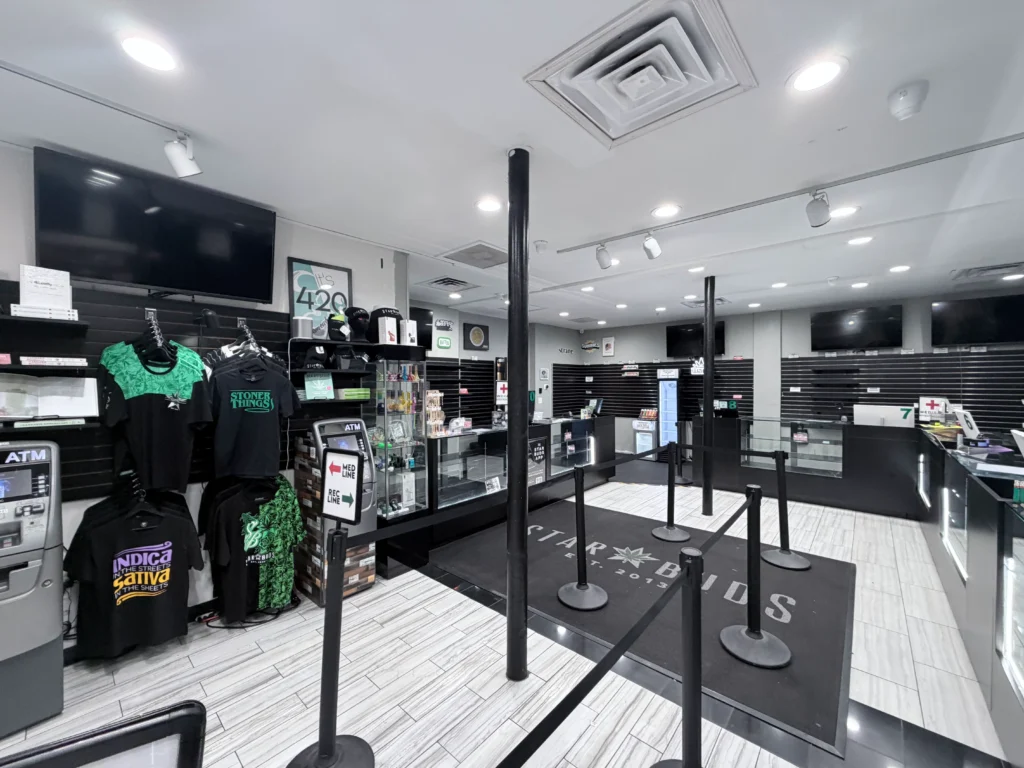
Not every retail project can afford to close its doors during construction. Many retailers need to continue serving customers while renovations, upgrades, or phased improvements are underway. Successfully completing construction in an occupied environment requires careful planning, communication, and execution. Northstar develops construction strategies designed to minimize disruptions while maintaining safety for customers, employees, and…
Ready to talk or have us get back to you?
Tell us more about your project below.
Request for consultation
"*" indicates required fields