

Commercial ConstructionInsights
Practical guidance, expert advice, and project insights to help Maryland business owners plan commercial construction, renovations, and improvements with confidence.
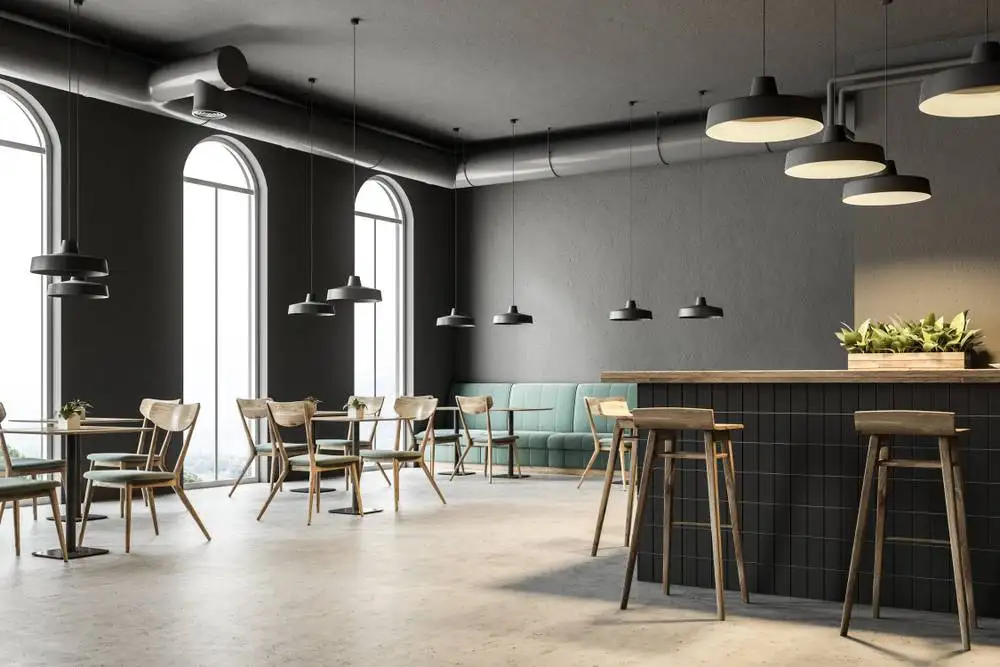
Essential Features for Your Restaurant Property
Your restaurant could have the best food in the world and still not attract customers because of a less-than-stellar space. That’s why it’s essential that you get the perfect space for your restaurant. However, choosing the right restaurant space can be difficult. You have to decide between what you want and what you can afford.…

Mistakes to Avoid in Commercial Remodeling
You don’t want to have to stop business because of a poorly done commercial remodel. The goal of your remodel is presumably to enhance your building’s aesthetic and functionality. A poorly done remodel will do none of those things. Make sure your commercial remodeling project comes out as planned by avoiding these mistakes. The post…

Patio Design Ideas for Restaurants in Maryland
Patio Design Ideas to Elevate Your Restaurant This Summer Now is the time to prepare your restaurant patio for a successful summer dining season. As the weather warms, patrons love to sit outdoors and safely enjoy fresh air after being indoors all winter. But is your patio design ready to attract new guests? Below are…
Liquor Store Design & Construction Services Maryland
The design and construction of a liquor store play a vital role in the success of your business. From the moment customers step inside to the time they check out, every detail should enhance their shopping experience and encourage purchases. In this guide, we’ll explore proven strategies for liquor store design that increase sales, improve…
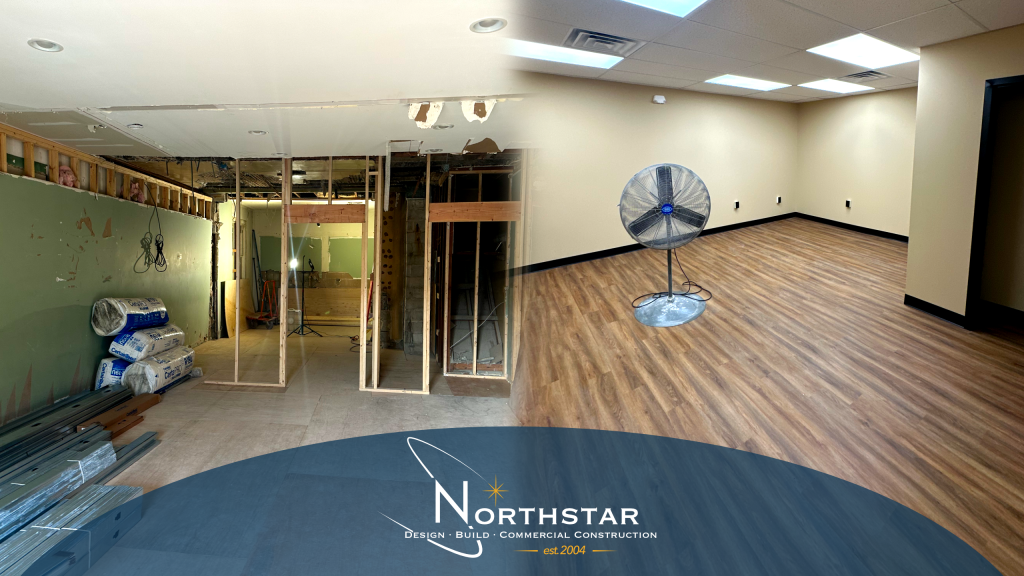
The Most Important Elements of a Commercial Remodeling Project
Remodeling a commercial space can be exciting but also very stressful. Commercial remodels are usually more labor-intensive than residential ones and you have to account for more things. When you start a commercial remodel, be sure to consider these important elements. Reviewing the Certificate of Occupancy Before you do anything with your commercial building, review…

Commercial Kitchen Exhaust Systems Maryland
Commercial kitchen exhaust systems in Maryland are required in every food service facility. Without a properly designed system, your restaurant risks delays, smoke issues, or even failure during a kitchen fire. Why Hire an Experienced Contractor In Maryland counties such as Howard, Prince George’s, Baltimore, Harford and Anne Arundel, the rules are strict. Choosing a…

5 Things to Consider Before Renovating a Commercial Space
Have you found a commercial property you’d like to repurpose? A commercial renovation can transform the space to fit your needs—but it’s not a simple process. From zoning rules to long-term maintenance, there are several factors to consider before you start construction. Here are five essential things to think about before renovating your new commercial…
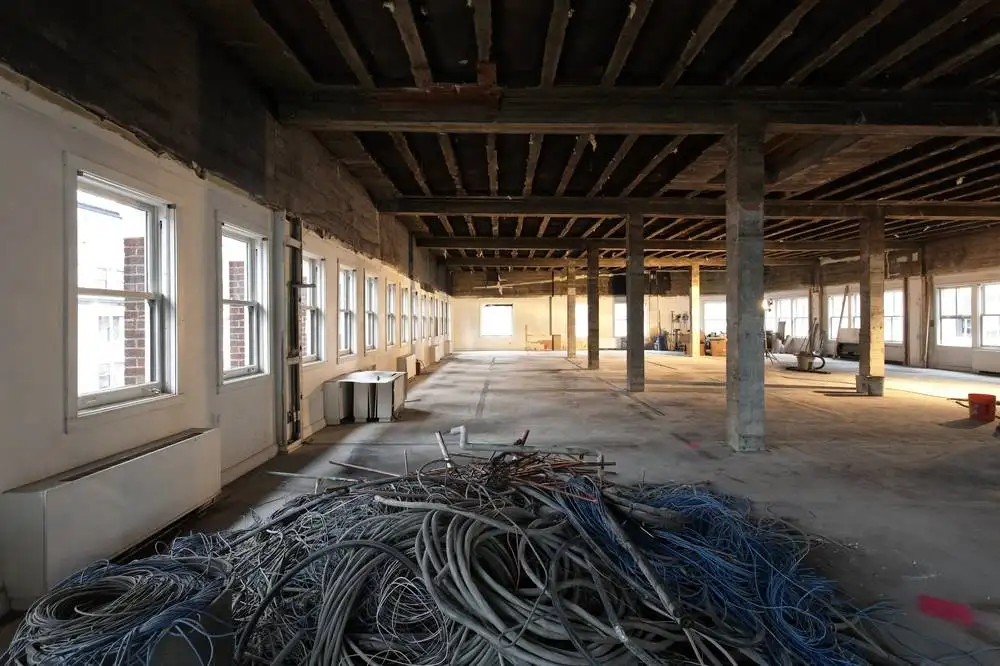
What’s the General Timeline for a Commercial Remodel?
Did you just land the perfect commercial space but still need to remodel it? A lot of people don’t know what to expect when it comes to commercial remodeling. Of course, all of us would like a renovation project to take the least amount of time as possible so that we can get started running…
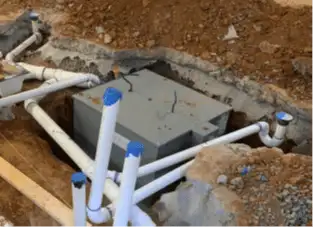
Maryland Grease Trap Requirements for Restaurants
Grease trap requirements in Maryland affect every food service establishment. By law, restaurants and commercial kitchens must install a device that intercepts fats, oils, and grease (FOG) before wastewater enters the sewer system. These devices are often called grease traps, but the term is misleading. Depending on the county, requirements may include grease interceptors, hydromechanical…

When Are Fire Inspections Required for Businesses?
Learn when are fire inspections required for Maryland commercial spaces, what triggers them, and how to keep your buildout moving toward your opening date.
Baltimore Retail Permit Guide for Store Openings
Use this Baltimore retail permit guide to plan zoning, drawings, inspections, occupancy approval, signage, and opening dates with fewer delays and cost.

Design Build Versus General Contractor: Which Fits?
Compare design build versus general contractor models for commercial projects, including cost control, permits, schedules, and accountability in Maryland.
Commercial Remodeling That Keeps Openings on Track
Commercial remodeling succeeds when design, permitting, code compliance, and construction stay coordinated from planning through opening day on time.
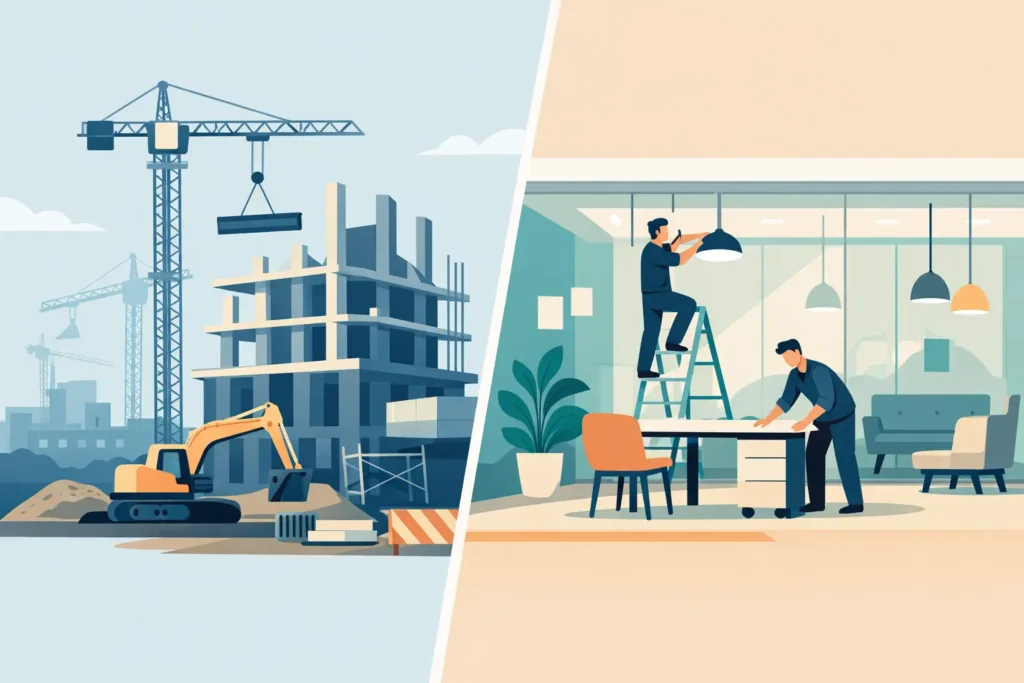
Ground Up Versus Tenant Fitout Explained
Compare ground up versus tenant fitout costs, schedules, permits, and control to choose the right path for your Maryland commercial location with care.

Franchise Construction Guide for Maryland Openings
This franchise construction guide helps Maryland operators plan design, permits, budgets, inspections, and buildout schedules before their opening day.

Who Obtains Commercial Occupancy Permits?
Learn who obtains commercial occupancy permits, when responsibility shifts, and how Maryland businesses avoid inspection delays before a planned opening.

Maryland Grease Trap Installation Guide for Restaurants
Use this Maryland grease trap installation guide to plan sizing, permits, plumbing, inspections, and a restaurant opening schedule that stays on track.

How to Manage Construction Contingencies
Learn how to manage construction contingencies through scope review, permit planning, clear allowances, and timely decisions that protect opening dates.

Construction Management That Keeps Openings on Track
Construction management keeps commercial projects moving from design and permits to inspections, budgets, and a ready-to-open Maryland business space.

Coffee Shop Construction Requirements Explained
Coffee shop construction requirements affect permits, plumbing, ventilation, accessibility, and opening dates. Plan the buildout before you sign a lease.
Are Landlord Approvals Needed for Renovations?
Are landlord approvals needed for renovations? Learn what commercial tenants must secure before design, permits, and buildout work begins in Maryland.
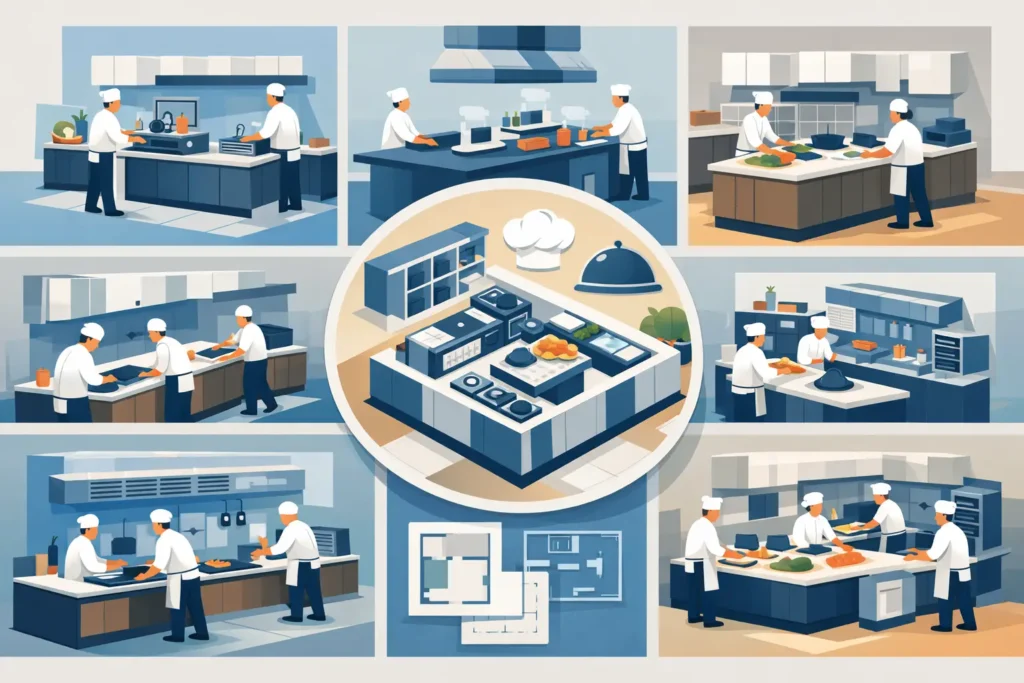
6 Best Commercial Kitchen Layouts for Restaurants
Compare the best commercial kitchen layouts for your restaurant buildout and plan an efficient, code-ready space that supports service and future growth.

How to Plan a Retail Buildout Without Delays
Learn how to plan retail buildout work with a practical process for site review, permits, budgeting, construction, and a reliable on-time opening schedule.

ADA Requirements for Retail Stores in Maryland
Understand ADA requirements for retail stores, from parking and entrances to sales floors and restrooms, before your Maryland buildout reaches inspection.
Beyond Architecture: Maryland’s Design-Build Alternative to Traditional Architects
Architectural Vision Grounded in Real-World Construction When a new business or property owner envisions their commercial space, the first instinct is often to contact an architect. However, many discover that architectural designs—while visually appealing—can overlook critical construction realities. The result? Overbudget plans, delayed timelines, and costly revisions once the project hits the ground. At Northstar…
How to Prepare Permit Drawings for a Business
Learn how to prepare permit drawings for a commercial buildout, avoid code conflicts, and keep your Maryland project moving toward opening day on time.
Why Do Retail Projects Stall Before Opening?
Why do retail projects stall? Learn how leases, permits, design gaps, utilities, procurement, and inspections can delay a Maryland store opening date.

How to Estimate Commercial Tenant Improvement Costs
Learn how to estimate commercial tenant improvement costs, account for permits, code upgrades, utilities, and contingencies before you sign the lease.
What to Check Before Signing a Commercial Lease
Learn what to check before signing a commercial lease, from zoning and utilities to buildout costs, permits, and terms that affect your opening schedule.
Commercial Construction Inspection Checklist
Use a commercial construction inspection checklist to track permits, life safety, trade work, and closeout items before your Maryland business opens on time.
How Long Does Commercial Permitting Take?
How long does commercial permitting take? Learn what affects Maryland review timelines, how to avoid resubmittals, and set opening dates with confidence.
Commercial Building Code Compliance Maryland
Commercial building code compliance Maryland: what business owners need to plan, permit, inspect, and open a commercial space with fewer delays and rework.
Commercial Permit Process Maryland Explained
Understand the commercial permit process Maryland businesses face, from plan review and approvals to inspections, schedules, and opening-day readiness.
Choosing a Convenience Store Construction Contractor
Choose a convenience store construction contractor who can manage design, permits, code compliance, and buildout without delaying the planned opening date.
Choosing a Liquor Store Buildout Contractor
Choose a liquor store buildout contractor who can manage design, permits, compliance, fixtures, and construction to keep your Maryland opening on track.

Choosing an Office Renovation Contractor in Maryland
Choose an office renovation contractor Maryland businesses can rely on for design, permits, code compliance, construction, and a clear path to reopening.
Choosing a Restaurant Buildout Contractor in Maryland
Choose a restaurant buildout contractor Maryland owners can trust for code compliance, permits, kitchen coordination, cost control, and an on-time opening.
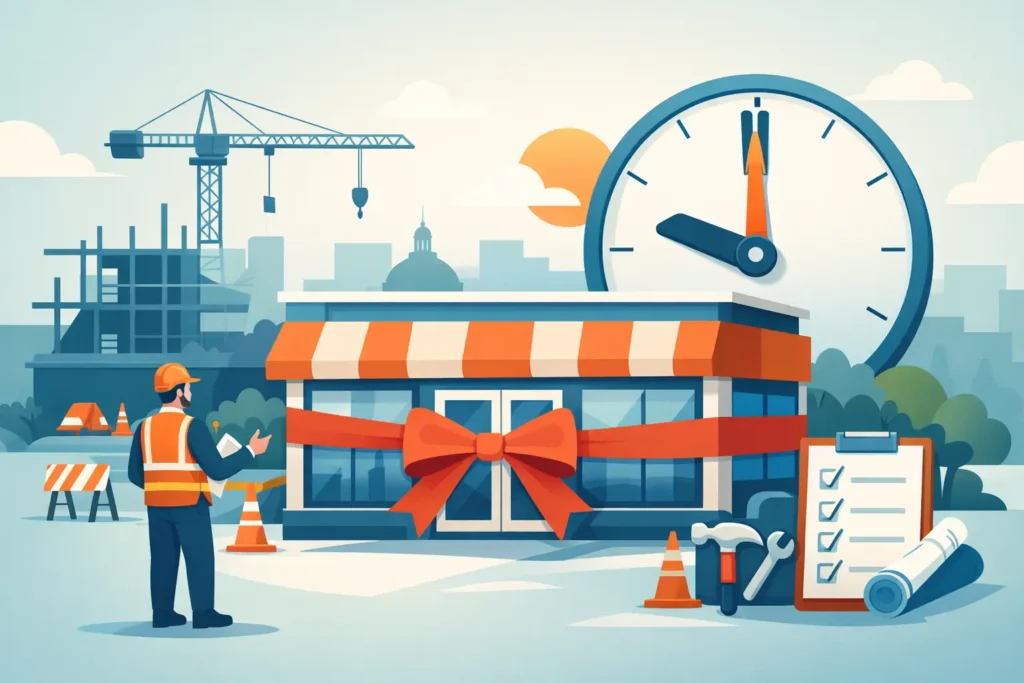
Retail Store Construction Maryland That Opens On Time
Retail store construction Maryland projects move faster when design, permits, code compliance, and buildout are managed by one accountable local team.
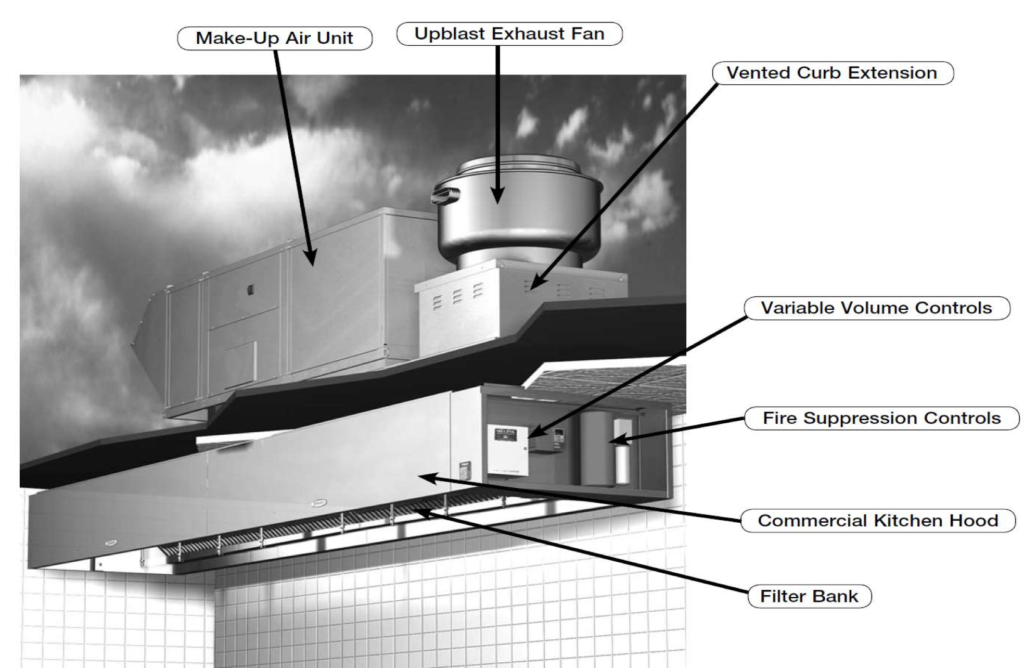
Understanding Commercial Kitchen Exhaust Hood Systems
Introduction Every chef, restaurant owner, and entrepreneur knows that a kitchen exhaust system is a basic requirement for any commercial kitchen. These systems are also one of the more expensive parts of opening a new food service business. However, there’s a lot more to learn about these systems—their key components, the important functions they perform,…
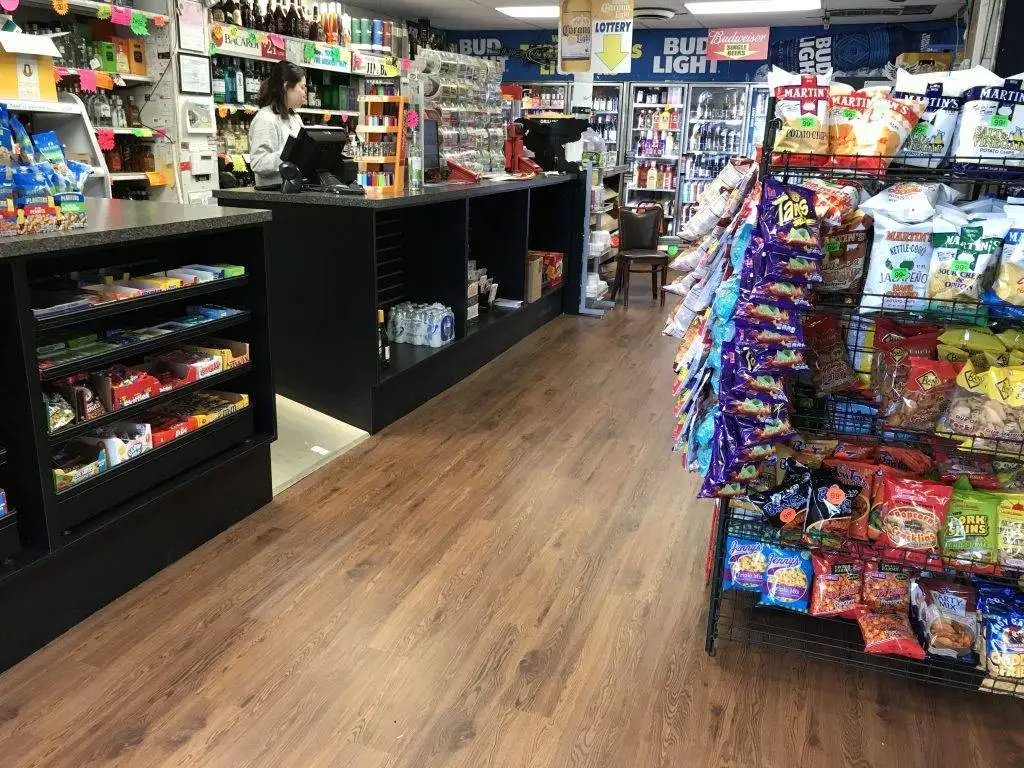
Convenience Stores and Restaurants: Why They Matter More Than You Think
Convenience stores and restaurants are part of everyday life. People stop in for coffee, grab a quick bite, or sit down for a full meal without giving it much thought. But from a commercial real estate and business perspective, these properties play a massive role in how communities function and grow. Why Convenience Stores Keep…
Tenant Improvement Costs Maryland
Why Tenant Improvement Costs in Maryland Are Hard to Predict When leasing a commercial property, one of the biggest concerns for business owners is understanding tenant improvement costs in Maryland. Knowing these costs up front helps ensure your business can succeed in its new space. Unfortunately, there is often confusion around this topic. Many leasing…
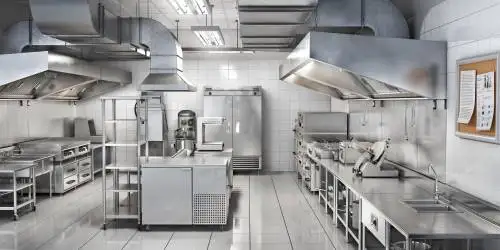
Remodel Your Restaurant: 5 Reasons to Start Now
Remodeling a restaurant can be exciting and rewarding. Remodels breathe life into business and gives your establishment a fresh start. But, it can be difficult to know when exactly it’s time to remodel your restaurant. If you’ve been putting off remodeling your restaurant, here are five reasons to do it right now. 1. Limited Space…
4 Features Every Retail Store Remodel Needs to Succeed
Although online shopping continues to grow, physical retail stores are far from obsolete. Retail is constantly evolving, and smart business owners know that adapting to customer expectations is the key to success. One of the most important factors customers look for is a unique, branded shopping experience they can’t find online. If you’re planning a…
How to Make Your Commercial Space More Eco-Friendly
Taking care of our Earth is pretty important and there are ways that we can contribute in every aspect of our lives. Whether you’re running a retail business or you’re in an office space, making your commercial space more eco-friendly can benefit you and your bottom line in many different ways. Let’s take a look…
Where Do I Start with Remodeling my Business?
Updating your commercial space with a full remodel can do a world of good for your business, but it can certainly be a headache to plan. The difficulty in choosing an architect, designer, engineer, construction team, and other professionals you think you may need for the job can be overwhelming. This is a big reason…