
Understanding Commercial Kitchen Exhaust Hood Systems
Introduction
Every chef, restaurant owner, and entrepreneur knows that a kitchen exhaust system is a basic requirement for any commercial kitchen. These systems are also one of the more expensive parts of opening a new food service business.
However, there’s a lot more to learn about these systems—their key components, the important functions they perform, and how the right design and selection can significantly impact the total cost of your food service build-out.
At its core, the job of an exhaust hood is straightforward. The exhaust hood captures and removes cooking vapors, steam, smoke, and airborne grease particles from the kitchen. This is done using an exterior exhaust fan that pulls air upward from the cooking surfaces and through filters. Then it expels air outside the building. To replace the air that’s being exhausted, fresh “make-up air” is brought in from another source—usually a dedicated make-up air unit.
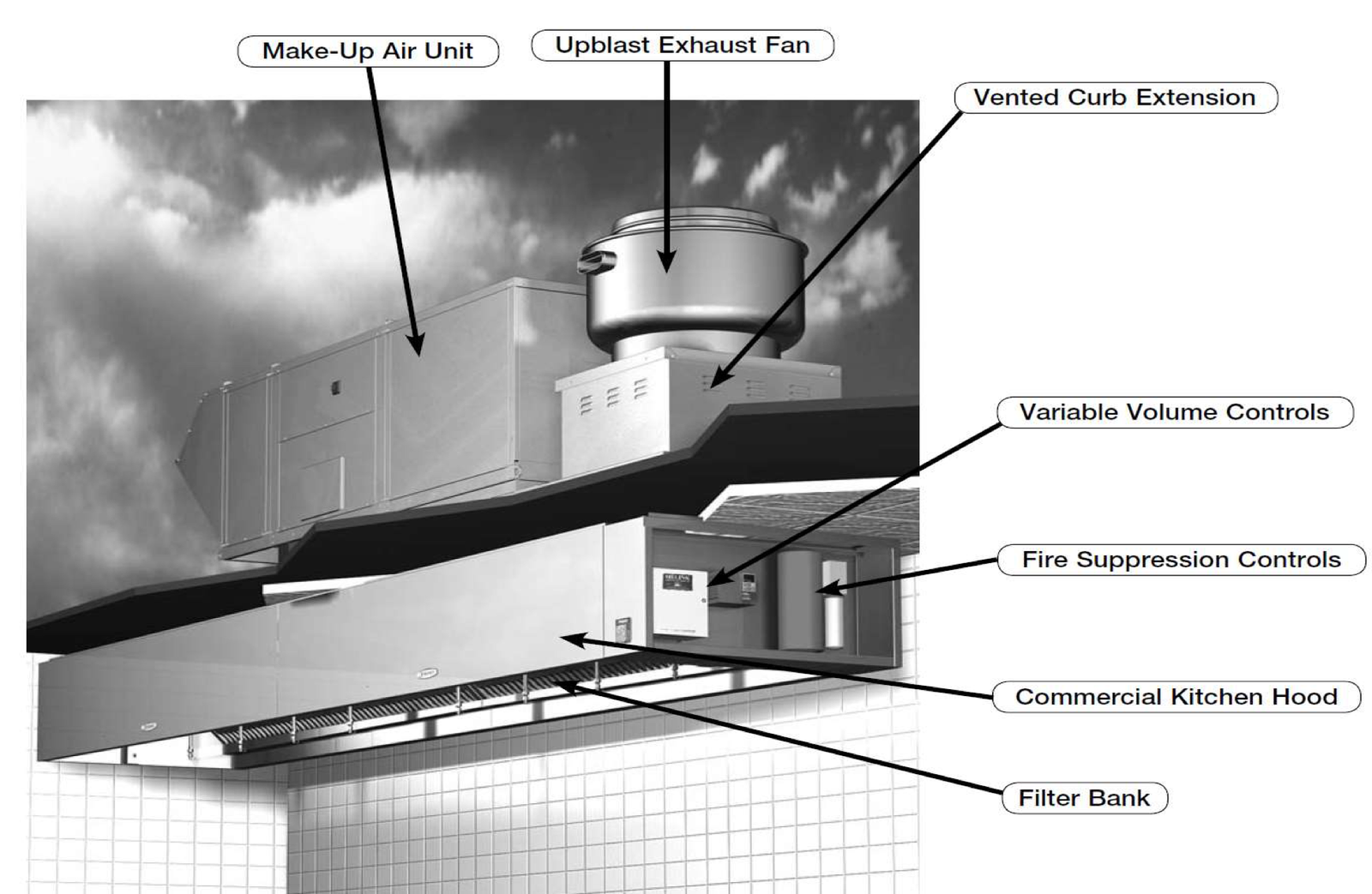
Features and Codes
The system also includes several important safety features. These monitor the area under the hood for excessive heat or fire, automatically turning fans on or off as needed. When a fire is detected, the system will shut down cooking appliances and activate the fire suppression system.
All commercial kitchen exhaust hood designs and installations must follow strict building codes. Especially the National Fire Protection Association (NFPA 96) standard and the International Mechanical Code (IMC). These codes cover critical details such as:
- How exhaust ducts must be built, insulated, and installed
- The proper sequence for safety shutdowns
- Requirements for tempered (heated or conditioned) make-up air in many cases
More details about the key compliances can be found here.
Design and Impact
If the design or installation doesn’t meet these standards, it can delay final inspections and prevent your new establishment from opening on time. There are many different ways to meet these code requirements, so it’s essential to work with a design team that has deep expertise. They can help create a system that fits both your operational needs and your budget.
For example, choosing a compensating exhaust hood (508.2) system (also known as an internal make-up air hood) often eliminates the need for a separate tempered make-up air unit. This approach supplies a portion of the replacement air directly at the hood—typically untempered or minimally conditioned. Which can save you money in several ways:
- Lower upfront costs for equipment and installation
- Reduced utility bills over the life of the operation (since there’s no need to constantly heat or cool large volumes of incoming air)
Careful selection and design of individual components can also create a more efficient system tailored to your specific kitchen, often resulting in a more economical installation than an off-the-shelf “complete package.”
Northstar Commercial has been designing and installing exhaust hood systems in Maryland for over 20 years. Contact us today for a no-cost, no-obligation initial consultation to discuss your food service construction needs.
What We Do, with over 20 years of experience under our belt.
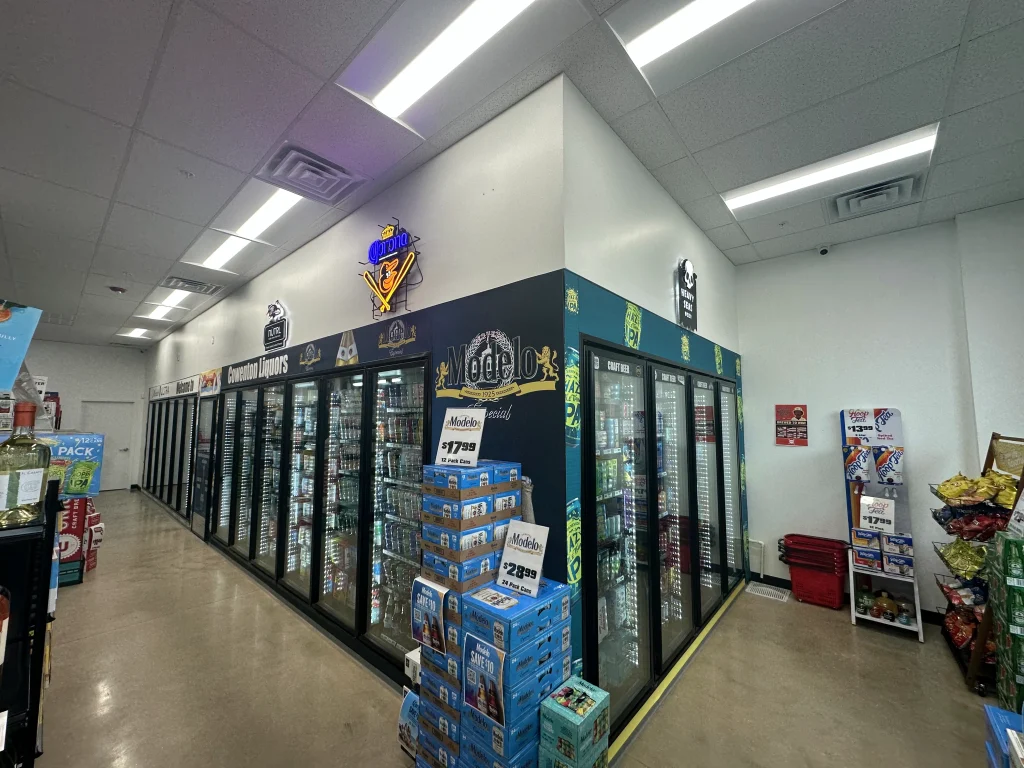
Store Buildouts
Whether you’re opening your first location or expanding into a new market, a successful retail buildout requires careful planning, coordination, and execution. Northstar Commercial Construction helps retailers transform vacant shell spaces, white-box suites, and undeveloped tenant spaces into functional retail environments designed around customer experience, operational efficiency, and brand identity. Our team works closely with…
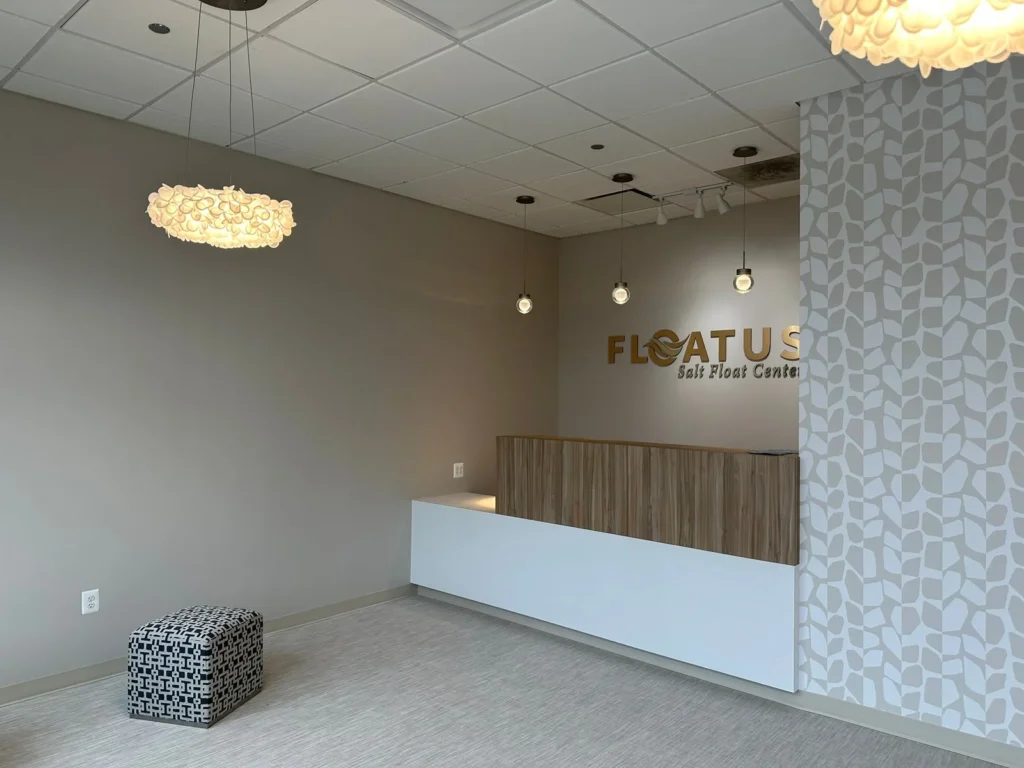
Renovations and Remodeling
As customer expectations evolve, many retailers find that updating an existing space is essential to maintaining a competitive advantage. Retail renovations can improve customer experience, support operational changes, accommodate new product offerings, and reinforce brand identity without requiring a complete relocation. Northstar Commercial Construction partners with retailers to renovate and modernize existing stores while minimizing…
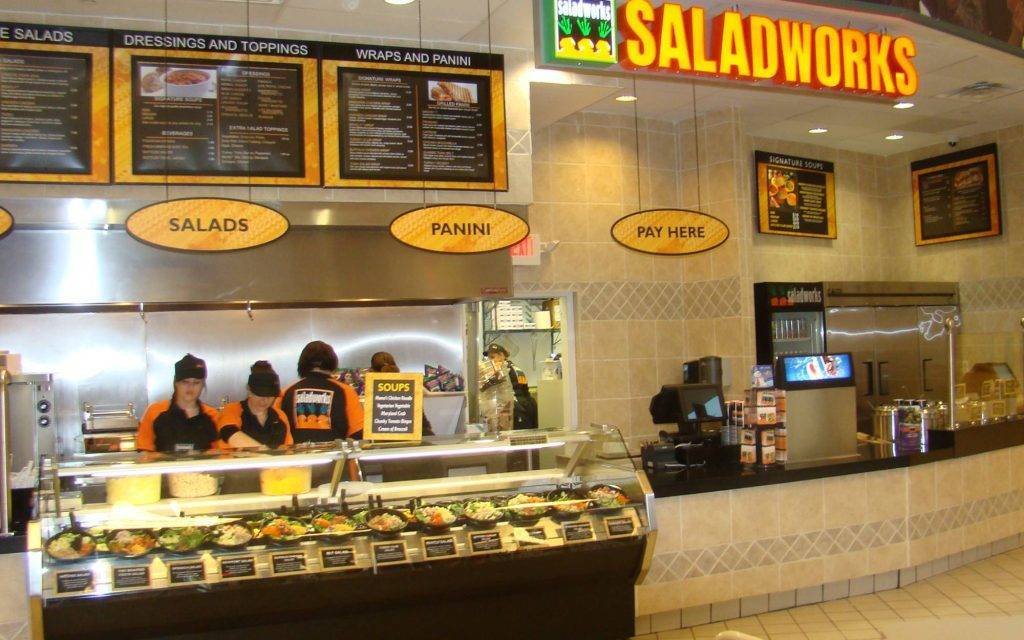
Franchise Construction
Franchise construction projects require more than traditional construction expertise. They demand strict adherence to established brand standards, prototype designs, corporate specifications, and opening schedules that are often coordinated across multiple stakeholders. Northstar works with franchise operators, developers, architects, and corporate representatives to execute retail construction projects that align with brand requirements while maintaining efficiency throughout…
Tenant Improvements
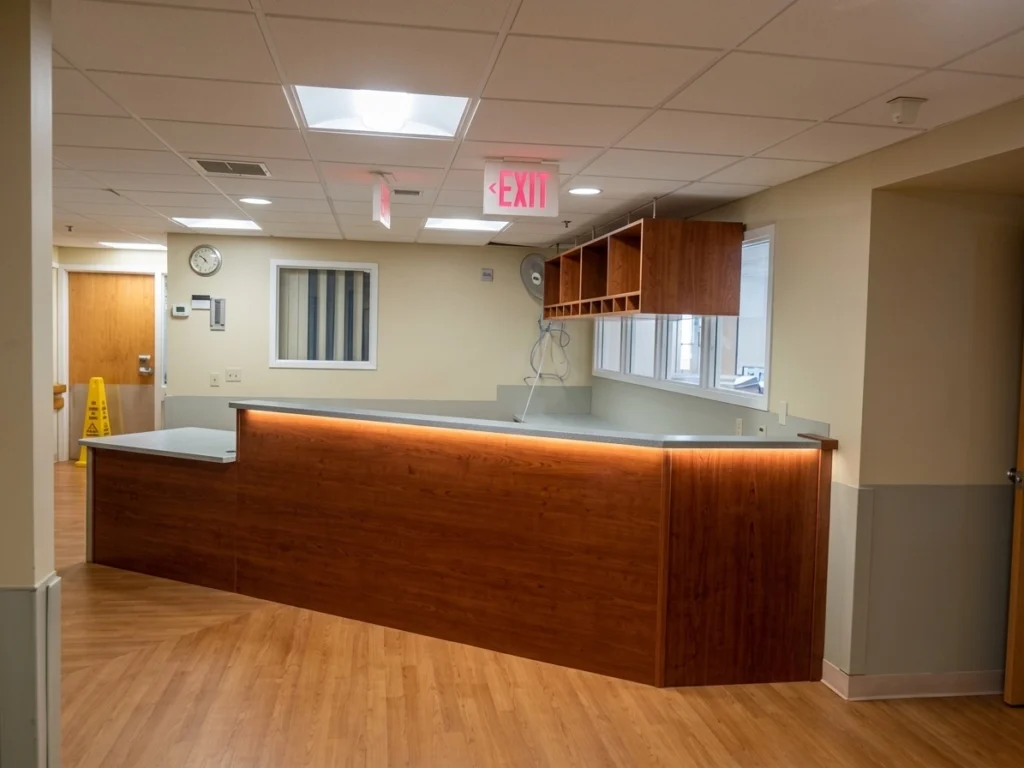
Many retail projects begin with a tenant improvement scope that transforms a leased commercial space into a fully operational retail environment. These projects often require balancing landlord requirements, lease obligations, permitting requirements, and tenant-specific operational needs. Northstar assists retailers through every phase of the tenant improvement process, helping clients understand construction requirements while maintaining alignment…
Occupied Renovation
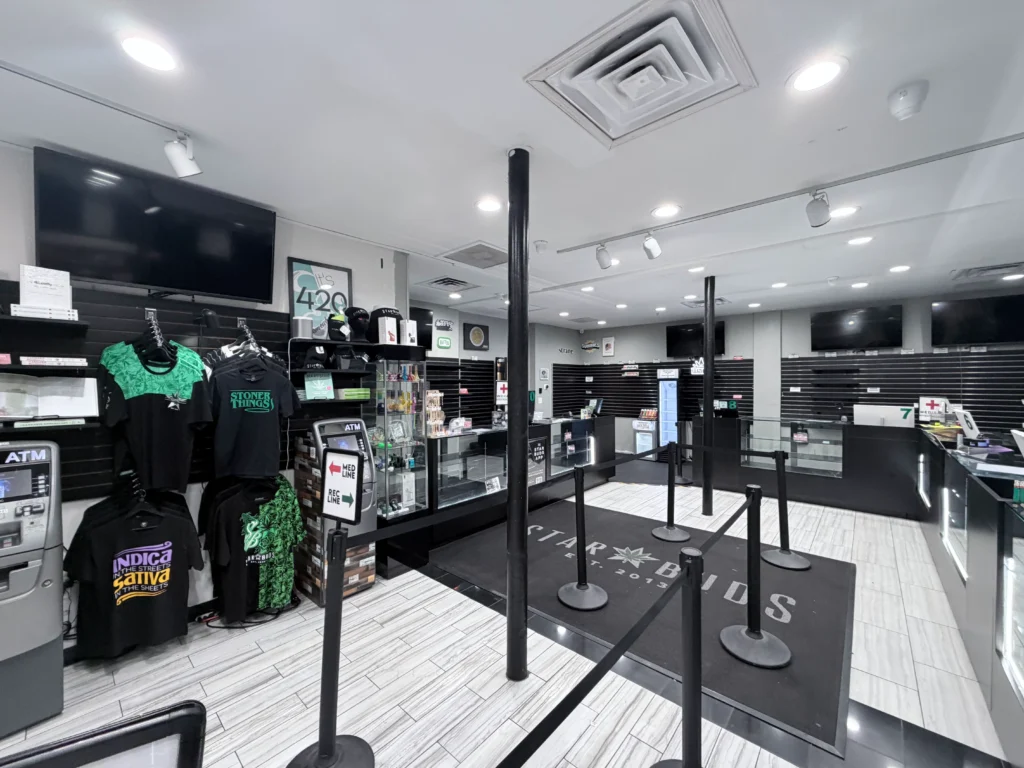
Not every retail project can afford to close its doors during construction. Many retailers need to continue serving customers while renovations, upgrades, or phased improvements are underway. Successfully completing construction in an occupied environment requires careful planning, communication, and execution. Northstar develops construction strategies designed to minimize disruptions while maintaining safety for customers, employees, and…
Ready to talk or have us get back to you?
Tell us more about your project below.
Request for consultation
"*" indicates required fields